Прес-релізи
Бізнес
A Practical Business Guide to Testing AI-Generated Music
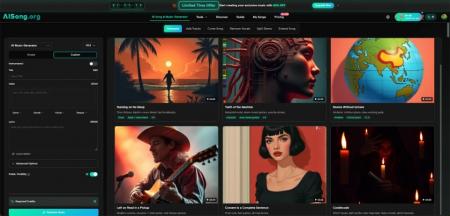
A small company is preparing a product video, a recruitment clip, and a short social campaign. Each piece needs music, yet the team has no in-house composer and cannot spend days comparing unsuitable tracks. The immediate question is not whether artificial intelligence will replace professional musicians. It is whether a tool such as AI Song can help the team create and test musical directions before making a final production decision. Used carefully, AI-generated music can support early ideas, internal reviews, and smaller content needs. The key is to treat it as a business tool with a defined purpose, clear approval steps, and realistic quality checks.
Decide What Business Problem the Music Must Solve
Music is not a decoration added at the end of a project. It changes how viewers interpret pace, confidence, warmth, urgency, and trust. Before generating anything, write one sentence explaining the job of the track.
For a recruitment video, the goal might be to make the company feel energetic without sounding childish. For a product demonstration, the music may need to maintain momentum while staying behind the narration. For an event recap, it might need a stronger rise toward the final scenes.
Without this sentence, teams often request vague qualities such as “modern” or “premium,” then disagree because each person imagines something different. A practical brief should name the content type, audience, emotional effect, and one important limitation.
Compare Traditional Search With AI-Assisted Exploration
Traditional music sourcing can involve stock libraries, commissioned work, or an existing relationship with a composer. Each route can be appropriate. The problem often appears earlier, when a team has not yet agreed on the sound it wants.
AI generation offers another way to explore directions. AISong’s public workflow begins with a description of style, mood, and genre, followed by generation and download. Its guide also distinguishes Simple Mode, where the system handles the song, from Custom Mode, where users can provide lyrics or shape them more directly.
This makes the technology useful for prototypes. A marketer can compare “calm electronic music with a steady pulse” against “light acoustic music with a friendly tone” instead of debating adjectives. A prototype may simply clarify the brief for a later production stage.
Run a Controlled Three-Step Test
A useful business test should answer a specific question. Do not open the tool and generate unrelated songs until something sounds impressive. Choose one content asset and compare a small number of deliberate options.
1. Write One Brief With Measurable Boundaries
Start with the video length, audience, message, and role of the music. For example: “Instrumental background music for a 60-second product overview aimed at small retailers. Confident and clear, with a restrained opening and a stronger final section. It must not compete with spoken narration.”
This level of detail forces the team to agree on what success means and creates a record that can be improved. Avoid requests such as “make this go viral.” Ask for a mood and structure that support the communication goal.
2. Generate Contrasting, Not Nearly Identical, Options
Create two or three directions that differ clearly. One might use light percussion and electronic textures. Another might use acoustic instruments and a warmer pace. A third could be more cinematic.
AISong supports plain-language music descriptions and multiple genres, so the AI Music Generator can be used to produce examples around the same business brief. Keep the core message stable while changing one major musical decision.
This gives reviewers something meaningful to compare. Five similar tracks usually create more confusion than two distinct choices.
3. Review the Track Inside the Actual Content
Never approve music by listening to it alone. Place each option under the real video, presentation, podcast introduction, or advertisement. Check whether the voice remains clear, whether transitions feel natural, and whether the ending matches the visual action.
Ask reviewers to comment against the brief. “The opening feels too playful for a financial audience” is more useful than “I dislike it.” Record the chosen direction and the rejected reasons.

Use Custom Lyrics Only When Words Serve a Clear Purpose
Most business videos need instrumental background music rather than a complete song with vocals. Lyrics can distract from narration or make a short advertisement feel crowded. However, words can be useful for a jingle, event theme, internal celebration, or campaign built around a memorable phrase.
AISong’s Custom Mode allows users to provide lyrics with structural labels such as [Verse], [Chorus], and [Bridge], or to begin with themes for generated lyrics. A business team should use this option selectively.
Keep brand names, product claims, and factual statements under human review. A generated lyric may sound smooth while expressing something inaccurate or exaggerated. Read every line as carefully as you would review advertising copy.
For a simple event chorus, repeat one approved phrase rather than inserting a long list of services. Music is more memorable when the language is short and easy to understand.
Establish an Approval Checklist Before Publication
The first check is message fit. Does the track support the intended impression, or does it make the content feel like a different type of company?
The second is technical fit. Confirm that spoken words remain understandable, the start and ending work with the edit, and the audio level is consistent across the content.
The third is legal and policy review. AISong’s site states that generated tracks include commercial usage rights, but a company should still save the relevant terms, generation records, and internal approval notes that apply at the time of use. Policies can change, and regulated industries may require additional review.
The fourth is cultural fit. Ask someone familiar with the target market to review content intended for another language or region. Finally, decide who owns approval. A simple process might include the content owner, one brand reviewer, and legal review when required.
Know When a Human Music Professional Is the Better Choice
AI-assisted generation is suitable for experimentation, early concepts, internal content, and some straightforward production needs. A professional composer or audio producer becomes more valuable when the project requires a distinctive long-term theme, detailed synchronization, live musicians, complex revisions, or a highly specific cultural sound.
A team can create prototypes to communicate its preferences, then give the strongest direction to a professional. Businesses should also avoid presenting AI generation as human composition. Clear internal records prevent confusion.
Build a Small Reusable Brief Library
After each project, save the prompt, content type, chosen track, rejected options, and reviewer comments. Over time, the company will learn which descriptions produce suitable results.
Organise briefs by practical use: recruitment, product explanation, event recap, social video, podcast opening, and internal presentation. Do not create a complex database at the start. A shared document with five strong examples is more useful than a large folder nobody understands.
The purpose is not to make every track sound identical. It is to retain decisions about pace, tone, narration space, and audience expectations. Future teams can begin from evidence rather than starting with “something modern.”
Conclusion
AI-generated music is most useful to a business when it is connected to a clear communication task. Define the role of the track, generate a few genuinely different directions, test them inside the real content, and review wording, technical fit, usage terms, and cultural context before publication. Use simple generation for fast exploration and more controlled inputs only when exact lyrics or structure matter. The result should not be judged by novelty but by whether it supports the message without creating new risk or confusion. Choose one upcoming video and run a small, documented comparison before expanding the approach.